A Podcast as a Brand Builder with W. Brondt Kamffer

Gods and Men Fantasy PodcastWe have a guest post today from up-and-coming indie fantasy author, W. Brondt Kamffer, someone I’ve come to know through Twitter and his blog. He posts a mix of book reviews and podcast episodes, all geared toward his target audience: fantasy readers and writers.
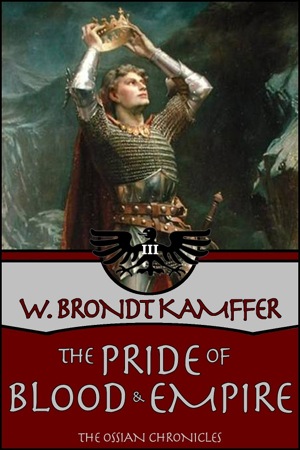
He’s here today to talk about podcasting and how it can help with book promotion.

A Podcast as a Brand Builder

True story: I began a podcast because I disliked writing blog posts.

Another true story: I still write two blog posts (at least) for every podcast episode I produce.

Lesson learnt: While a podcast can be a great addition to your brand-building arsenal, it will by no means replace what you are doing now.

When I began producing my podcast, Gods and Men, I wanted to think of something that was different, that nobody else was doing. This is a bit like all our writerly blogs out there. So many are talking about the publishing business or process, or reviewing books, or about themselves. There seems to be little variety, but every now and then, somebody comes along and does something you’ve either not seen before or not seen enough of.

Sure, you say, it’s easy for a non-fiction writer to blog/podcast. All he has to do is theme his blog/podcast along the lines of what he writes, and thus it becomes a supplement. But fiction authors have so much to talk about too. Sarah Woodbury, for example, is an indie author who writes historical fiction set in medieval Wales and she blogs about medieval Welsh culture and history.

I wanted to try something like that for my genre, fantasy, and so conceived of a podcast that would–wait for it–talk about fantasy. But I drew on more than that. I also lecture university English, and I have been appalled to learn of the low status speculative fiction has in academics, so I thought I could bring my academic background to a discussion of fantasy, and thus arrived at a podcast that examines fantasy as literature. I have discussed themes, motifs, world-building, and such matter, and I am currently in the middle of an eight-part lecture series on Tolkien’s The Children of Hurin.

So, why do I tell you this? Simply, that unless you want to be a professional podcaster, as an author you’ll want to use your podcast to draw attention to your writing. Now, is my way the only way? Certainly not. But you do want to think about your goals, and those goals need to include brand building, name recognition, or whatever you want to call it. The same logic that holds for your blog, holds for your podcast.

As I said, mine is just one type of podcast. There are many you could attempt, and many authors have used such routes to generate interest in their own work. Joanna Penn and Moses Siregar III, for example, are each podcasters who interview other authors. Nathan Lowell famously podcast audio versions of his novels, and now his ebooks sell by the hundreds, yea thousands. Jennifer Hudock is part of a weekly roundtable podcast with two other authors, and she too has done well for herself.

The point is that creating a podcast is just another way to draw attention to yourself and your works, and like your blogging habits, or online social networking, you want to be careful of how you present yourself. For example, in my case, I abandoned any attempts at self-producing an audio book because I have a terrible reading voice. I get all monotonous and sound absolutely disinterested (listen to my lectures on The Children of Hurin, where I read some excerpts, and you’ll know what I mean). This is not the best advertisement for my work.

On the other hand, when speaking off the cuff, I sound much more natural, and while my podcast doesn’t necessarily advertise my books directly, I’d like to think that someone listening to my episode on, say, motif will get the sense that I know what I’m talking about and that perhaps my own books won’t be half bad as a result. Isn’t that the same hopes for writing your blog?

A podcast is an advertisement, essentially, only a different sort of advertisement than your blog. Used wisely, it can be a great way to lure in readers to your real produce: the books. But even if that doesn’t work out (and I have found that it is a slow process, like anything else, attracting listeners), it is one heck of a journey. There are many things I regret having done in my life, but starting the Gods and Men podcast is definitely not one of them.

W Brondt Kamffer Novella

You can check Brondt’s ebooks on Amazon and grab his newest release, The Call of Sage and Kindred, for free on Smashwords (99 cents on Amazon).

Posted in Guest Posts | Tagged , , , , | 7 Comments

So, You Want to Sell More Books at Amazon… [Part 3: Reviews]

This is my third and last entry in my “So, You Want to Sell More Books at Amazon…” blog series. The first discusses how Amazon starts to promote your books internally once you sell enough copies and the second goes over the role “tagging” plays in Amazon searches and recommendations. Today we’re going to talk about reviews.

How important are they? How do you get them? Will more reviews sell more books? Let’s jump in….

How reviews help you at Amazon

The first way they help is obvious: reviews help readers decide whether or not to give books a try. A book with no reviews is something of a cipher. In the Kindle Store, a reader can download a sample to try, so it might not be quite as much of a sales death knell as for physical books, but not having any makes it look like nobody is buying the book.

The concept of social proof suggests people are more likely to try something if others are trying it (and avoid something others are avoiding). I believe getting those first three or four reviews is a big deal and will definitely improve your sales overall (so long as you’re working on promotion and getting people to your book’s page!).

Are more reviews better?

I’ve read some theories that reviews help sell more books in a non-obvious way, too: maybe this is one of the many factors Amazon use in determining which books to promote internally, so the more reviews you have the more play your book will get.

True? I couldn’t say for sure, but I’m inclined to think not. Amazon has to be aware of services like BookRooster and Ffiver where you can essentially buy reviews for $5 a pop.

As I mentioned in my earlier posts in this series, I believe selling books is the major thing that gets you on the radar (gets Amazon to start promoting you internally).

How do you get your first few reviews?

Well, I wouldn’t use Ffiver. 😀

What I’ve done that I’d recommend to others is giving away review copies. I’ve done this by posting offers on the Kindle page on Facebook and also in forums for various e-readers. MobileRead is my favorite board for this, as many of its readers are savvy about downloading ebooks from Smashwords (where you can simply give them coupon codes to grab the books for free), but I’ve also posted offers on the NookBoards and KindleBoards.

For me, about one out of five people who received a free copy would end up posting a review (in the first couple of weeks anyway — more trickled in later), so if I gave away twenty copies, I had good odds for getting those first ones I needed. Some cool people were nice enough to post their reviews in multiple places (i.e. Smashwords, Goodreads, and Amazon).

That’s my most recommended way to get reviews. You can, of course, also ask beta readers, friends and family, etc., though these people are probably only going to leave five-star reviews and readers can and do leave irritated one-star reviews if they feel they’ve been duped because all of a book’s glowing reviews came from friends.

Other options are to participate in blog-based book tours (I did that with Encrypted and Flash Gold and, though it wasn’t mentioned as a part of the tour deal, a couple of bloggers left Amazon reviews as well as posting reviews on their blogs) and to submit your book to review sites (though book bloggers tend to be backlogged and this can be quite the wait).

Also, don’t forget the value of getting the people who actually bought the book to review it! Those are the most genuine reviews you can get since they come from your target audience, people who read the blurb and chose to buy the book.

How do you get these people to review? I always make a request in the afterword. If you enjoyed the book, please consider leaving a review….

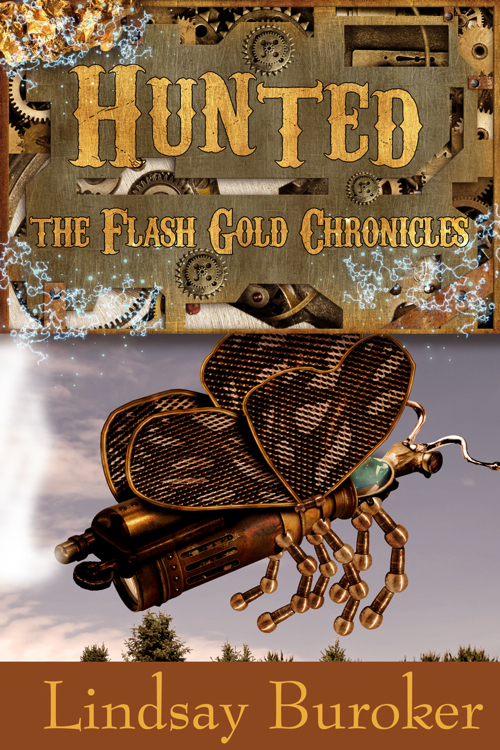
My book with the highest reviews-to-sales ratio is Flash Gold. I worded things differently there, something like, “If you want to see more adventures with these characters, please leave a review.” I did it because that story was an experiment with the novella-length ebook for me, and whether or not I wrote another one was going to depend on reception and sales. (I’m editing a sequel now, so clearly things worked out!)

What about those paid review services?

Someone always asks, so I’ll finish up with my thoughts on this. I don’t think there’s any reason to pay someone to review your book, and readers are going to be suspicious of a paid review (the assumption being that receiving money makes a reviewer more inclined to review the book favorably) if they’re aware of it.

What are your thoughts? Are there any other ways you’ve snagged your early reviews?

Posted in Amazon Kindle Sales | Tagged , , , , | 10 Comments

So, You Want to Sell More Books at Amazon… [Part 2: Tags]

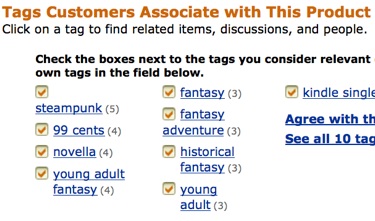
Amazon tags for Flash GoldThe other day, I blogged about how Amazon starts to promote your books internally once you sell enough copies to get on their map. Today I want to talk about tagging and the role it may or may not play in increasing sales.

If you’re not sure what I’m talking about, check the bottom of any Amazon book page. People can “tag” a book with terms such as steampunk, paranormal romance, mystery, thriller, space opera, etc.. Amazon uses this information to help place a book in its search results (it may play a role in what Amazon chooses to display for personalized recommendations too).

Will tags help me sell more books?

The short answer is… not by themselves, no.

Based on my experience with my own books and some very official and very thorough observations (AKA fifteen minutes of typing in various search terms and looking at book pages), tags seem to play a small role in the big picture of how Amazon ranks search results for various terms.

For an uncompetitive term, tags may help you appear on the first page of search results. For more competitive terms, you probably won’t see a move up the results unless other factors are in your favor as well. (I’ve seen lots of examples where authors have done tag exchanges with other authors and have 100-odd votes for their chosen terms, but their books appear nowhere on the early pages of results.) The top results for competitive terms tend to be 1) popular 2) tagged and often 3) have the tag/keyword in the title.

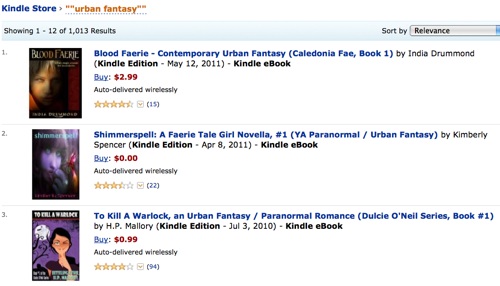
Amazon Search Results

There are exceptions, and some of them are downright puzzling (hey, Amazon wouldn’t want to make its search engine too transparent, or authors would have an easier time manipulating it), but, in the areas I checked, four out of five top results would follow that pattern.

So, are tags worth worrying about?

Personally, I don’t. I actually have some pretty strange ones on my earlier books thanks to, well, it’s a long story, but they’re not terms that are applicable to the book or that would ever help it sell copies (since no one would search for those terms). The ones in the first picture are for Flash Gold. It ranks 12th for “steampunk” even with only a few votes for that tag. Maybe when it’s been around longer and has sold more copies, it’ll place higher, but I’m not going to try and get 100 tags for steampunk in the mean time.

It’s not that I don’t think tags can’t help a little; it’s more a personal aversion to doing anything that could be construed as gaming the system. I did search engine optimization as part of my day job for years, and I’ve seen a lot of people use tricks to rank highly in Google search results, and Google inevitably gets wiser with each update and things that work one month can get you penalized or even de-listed (essentially banned) down the road. I don’t know if Amazon’s search engine is quite as sophisticated (or vindictive), but I’m not willing to risk it.

But, as a bit of evidence that they probably do help… As I write this, my fantasy novel, The Emperor’s Edge, comes up 10th when you search for “steampunk” in the Kindle store — higher than Flash Gold which is more of a steampunk story and has the word steampunk in the title. That it ranks for that term has to be based on tags (and possibly reviews using the word), because I don’t use steampunk in the title or blurb (aside from its steam-age setting, it’s more high/heroic fantasy).

So, in summary, my research approach wasn’t entirely scientific (please let us know if your experience has led you to different opinions on the usefulness of tags), but I believe ranking highly for Amazon searches is a combination of sales ranking/sales history, keywords (tags) in the book title, tags submitted at the bottom of the page, and possibly the prevalence of the term in user reviews (that order would be my guess on what gets the most weight too). Again, I have found puzzling exceptions.

So, should you run a tagging campaign and try to get more votes for your preferred terms?

I’ve already shared my stance on that. It’s up to you if you want to try it. I’m not sure having 100 votes gives you any more weight than a more natural looking ten or twenty. I also don’t think the Amazon search box is the way most readers find books, so even being #1 for a term may not increase your sales noticeably. But, if you haven’t bothered tagging your own books at all, you might want to do so to set a precedent for reviewers who might be inclined to do it. (Note: if you have an account, go tag them in the UK and DE stores, too, as tags don’t carry over.)

Come back next week for the last post in this series, one on Amazon reviews.

Posted in Amazon Kindle Sales | Tagged , , , , | 10 Comments

So, You Want to Sell More Books at Amazon… [Part 1]

Books for SaleOver the next few days, I’m going to attempt to answer some of the questions authors ask in regards to book sales (specifically selling more of their books) at Amazon.
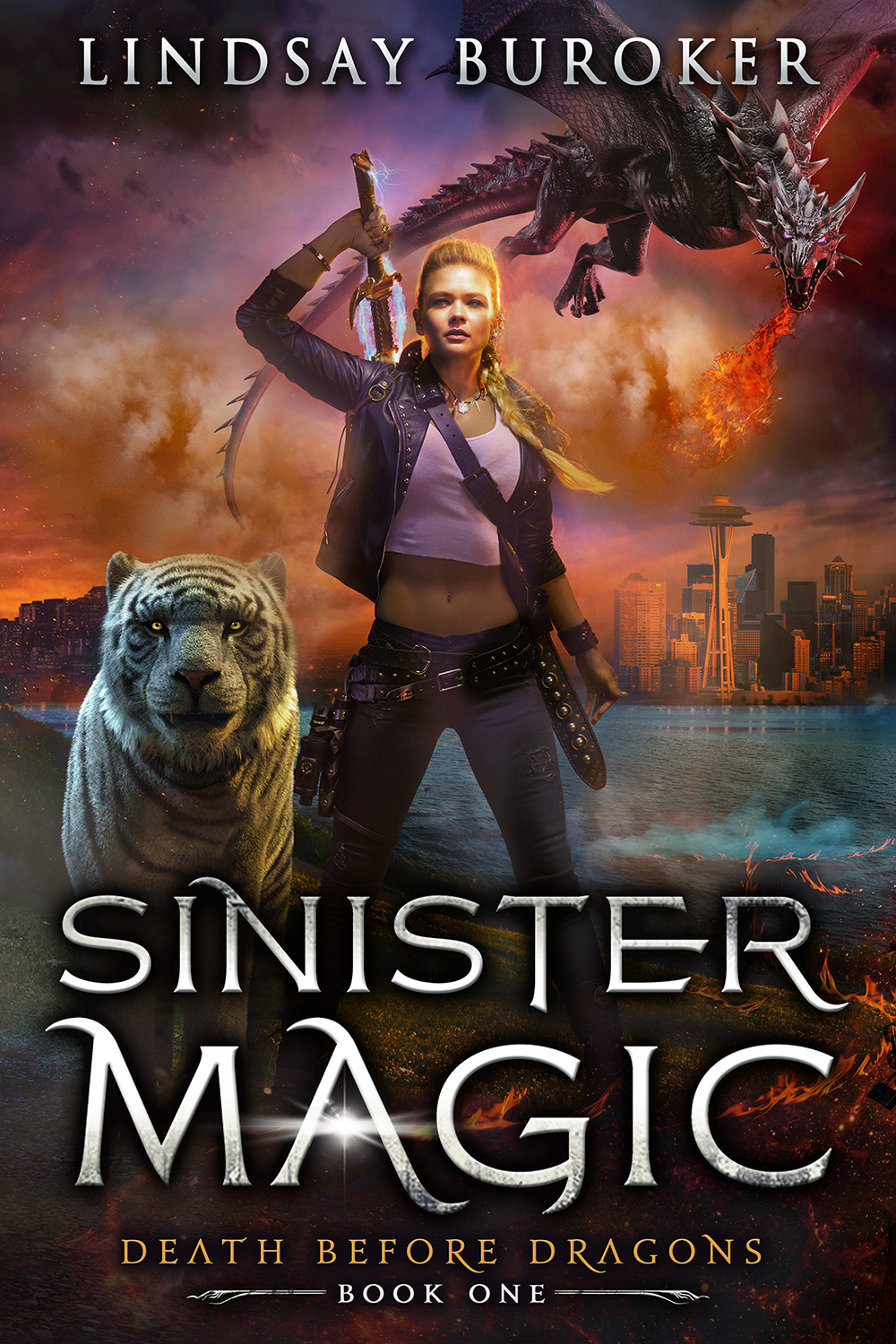
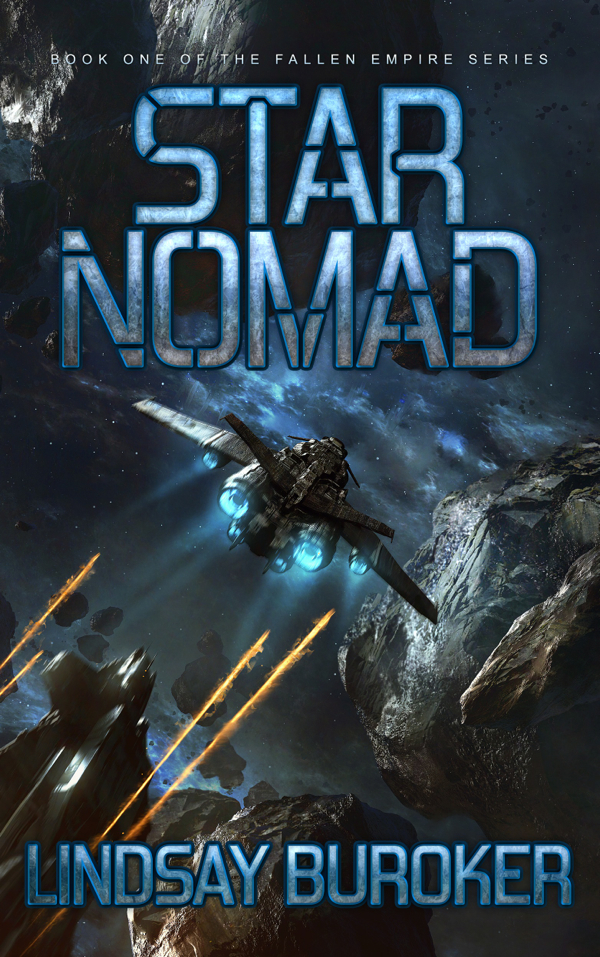
If there’s anything you’re wondering about that’s related to this topic, leave a comment below and I’ll try to answer it. (Just don’t ask me how to sell a thousand books a day or make it into the Top 100 overall. The best sales rank I’ve managed in the Kindle Store is 2,300 or so.)

Let’s start out with the biggie, the one people actually email me about…

Why aren’t I selling more books?

I’m going to assume you have an exciting (typo free!) blurb, professional-looking cover art, and at least a couple of positive book reviews (if not, address those potential pitfalls first).

The short answer is: people don’t know your book exists.

There are millions of books in the Amazon store (hundreds of thousands of ebooks in the Kindle store), so it’s hard to get noticed.

In the beginning, you have to drive readers to your Amazon book page. This can be via advertising, social media, your blog, guest posts on other blogs, forums, etc.

If you can get an ebook listed for free, there’s less competition (for now) in that arena, so odds are better of people finding your work. If your freebie turns readers into fans, they might check out your non-free offerings.

If you sell enough books, you will reach a point where sales occur whether you’re driving traffic to Amazon or not. This is because people are finding your book through the internal Amazon search engine, by browsing the Top 100 lists, by checking other books’ “Customers Who Bought This Item Also Bought” section, and via Amazon’s recommendations (which are personalized based on reader purchases).

In essence, the more you sell, the more Amazon rewards you. They want to push books that people are buying since that presumes an inherent saleability in the title. AKA they know they’ll make more money this way.

How many books do you have to sell to reach this point?

It’s more of a gradual process than a switch being flipped, but I’d probably hit about 750-1,000 total sales of The Emperor’s Edge when I noticed it was selling itself on Amazon whether I did any type of promotion that week or not. My guess is that most people find the book via the “Customers Who Bought…” feature, as it doesn’t fall into any of the fantasy sub-categories (it’s not a good match for the Top 100 lists it shows up in). I don’t have any way of knowing if Amazon recommends it to folks or not, though I’d be curious to find out!

Now that I’ve rambled on here, let me summarize the answer to the original question (how do you sell more books at Amazon?): work your book-promotion buns off to sell that first 1,000 books.

The next post will be on tags. Stay tuned (or subscribed via your RSS reader!).

Posted in Amazon Kindle Sales | Tagged , , , , , | 12 Comments

Pros and Cons of Writing a Series

Harry Potter SeriesIf you’re an author and you started out thinking you’d publish traditionally (i.e. find an agent who would then find you a huge multi-book contract with a major publisher, thus ensuring you could quit your day job and write full time for the rest of your life), you probably heard it was a bad idea to write a series.

Because, the conventional wisdom goes, if you don’t sell the first one, how on earth are you going to sell the second, third, etc.? Well, you aren’t. So they say don’t work on a series until you’re sure you have a publisher. (I know all about this wisdom, and it’s the reason I wrote Encrypted after I wrote The Emperor’s Edge — they take place in the same world, but, except for one continent-crossing assassin who appears in both, they have different characters.)

If you’ve decided to forgo the traditional publishing route, however, there’s no reason to worry about what agents and publishers might want. The only ones you have to please now are the readers.

So, should you write a series? Or stick with stand-alone stories? In the end, it might be a matter of your writing tastes, but let’s look at a few reasons for creating a series (and a couple of reasons you might want to hold off):

Pros & Cons of Publishing a Series

Pros

  • Readers may be more likely to buy the sequels — Lots of people get attached to characters, so, if they like yours, it may be a no brainer to purchase more books in the series (I know I’m like that when I read!). On the flip side, if all of your other books have different characters, then it might depend on whether the blurb sounds good or whether reviews are positive.
  • A series can grow into a brand that helps get the word out about your books — It’s hard to open a marketing text without reading about the importance of branding. Books can grow into a brand of sorts, and people may start talking about The So-and-So books even if they can’t remember the name of the author (don’t worry — if someone’s interest is piqued, they’ll have no problem finding you on Amazon by the series name).
  • The free/99-cent lead-in ebook works well with a series — We’ve talked about lots of indie authors who have had success by pricing their first ebook cheaply (or even free) as a way to get folks to try their other higher-priced offerings. This seems to work best when the following books feature the same characters and types of adventures. In some genres, such as fantasy and science fiction, authors will even end novels in a multi-book series with cliff hangers, so you have to pick up the following story to see how things turn out.

Cons

  • If folks don’t like the first one, you’re outta luck — In my opinion, it’s worth waiting and seeing what the reception is for the first book before committing to five more. I know of one indie author who had something like ten ebooks out in a series and was working very hard to promote it, but reviews were lukewarm for Book 1 and, despite all his promotional efforts, sales were lackluster. If readers buy one book and don’t like it, they’re not going to go on to buy the rest, and most new readers who stumble upon the sixth installment aren’t going to start there, no matter how enticing the blurb.
  • You may be forced to write “against the grain” — Some of us love to build characters over multiple books, but some authors don’t. If you get sick of your heroes and don’t want to keep spending time with them book after book, it’s going to show. You might get in trouble trying to write a series just so you can create a brand or entice readers to buy more of your work.

Those are my pros and cons for writing a series. Do you disagree with any or have others to add?


Posted in E-publishing | Tagged , , , | 15 Comments

Indie Fantasy Author Ronnell Porter Uses Free Ebook to Break out

Ronnel D Porter Free EbookThe last indie author I interviewed was doing well for himself after deciding to give Book 1 in his series away for free on Amazon, B&N, etc. Today we have another author who went from a couple of sales a day to as many as 100 by using the same tactic.

Ronnell D. Porter is a young up-and-comer who writes fantasy and does his own cover art as well. Here’s more of his story and what his recent success means to him:

Q: I’m going to ask you about the tremendous break through you’ve had shortly, but I’ve love to start out asking about your first couple of years. You’ve been at this a while and have quite a few ebooks out. What made you choose e-publishing, and how has your road been thus far?

A: Well I was nineteen years old, working my first job doing production for Kellogg’s, and had just finished BREAKING DAWN, I’m not if sure you’ve heard of it – it’s a niche book with a small following. As soon as I put down the book I thought “Well I’ve got stories to tell! I should write a book!” Up until that point I’d only been writing on FanFiction.Net, so my goal was to get published and gain enough fame to have an archive dedicated to one of my books. I’d always wondered what it would be like from an author’s point of view to see what people would come up with surrounding my characters!

So after establishing that I was going to be the next über –selling author (because it was just going to happen lol) I went out to my favorite thrift store, SAVER’S, to find a typewriter. I didn’t have a computer at the time, so that was my solution. I found a nice typewriter for $3.50 that worked perfectly and then ran off to STAPLES to find out if they carried any ink ribbons for that model. Turns out they did because it was one of two new current models they had in stock for $140 brand new: best deal of my life!

Unfortunately, writing with a type writer gets very expensive. It cost me $10 for a pack of two ink ribbons, and I would only get just over 40 pages from each ribbon. After spending way more than I could afford on ribbons, and having lost my job at Kellogg’s, I put my stack of papers in a box and gave up on the dream. That was, until, my estranged father very generously bought me my first laptop three months later in December of 2008. Suddenly the flame was relit and I took out my stack of papers and continued from where I’d left off.

March of 2009, THE POCKET WATCH was completely finished. I couldn’t believe that I’d written an entire novel – six months of hard work! So I did what any hopeful amateur would’ve done: I queried out to about 40 big-name literary agents at once (I was really, REALLY hopeful). I received three replies out of those forty, each from said agent’s assistant, stating that the project wasn’t right for them at that time. After some research, I could see just why no one was going to touch that manuscript; turns out 286,000 words was a bit too much to publish in print, especially from a nobody like myself. And as I researched agent blogs and read writing newsletters, I also quickly realized that I wasn’t really such a great writer either. I ended all quotes with periods, which is a no-no, among a haystack of other things I’d never learned.

November, 2009. I’d landed a part time job as a cart-pusher for Wal*Mart, but was still not making enough to survive on my own. I’d whittled THE POCKET WATCH down to its current 145,000 words – still way too long to publish. But I’d learned about a site called Lulu – and though at first I was happy with having my book in print (the first run being 8.5×11” textbook size!) I quickly learned that Lulu was a joke once I’d discovered Createspace. I met an amazing artist on DeviantArt named Alena Kubíková who created the current paperback illustration of THE POCKET WATCH. I published, pedaled, but still no luck or success.

And then, in April of 2010, I found Amazon Kindle. I’d never heard about it before, but when I’d stumbled upon the Kindle Boards to advertise my books (I’d just finished THE WHITE KNIGHT at that point) I was introduced to the incredible world of eBook publishing and, of course, the Kindle. I created my own cover for The White Knight, and put them both for sale on the kindle market. Then something magical happened; I managed to sell books! I was only making about $20 a month in the beginning, and by then I’d been let go by Wal*Mart and had been unemployed for months, but it was enough to buy a victory dinner at Burger King and my Twilight Saga: Eclipse movie tickets lol.

Then when I met Amanda Hocking, having just published MY BLOOD APPROVES and FATE, things really became fun. She put an excerpt of a novella I’d written called THE UNDYING in the back of MY BLOOD APPROVES, the first chapter. I put the first chapter of MY BLOOD APPROVES in the back of THE UNDYING; sales picked up a bit to garner about $120-$130 a month. I made a meager living designing book covers for newbie indies like myself in the fall at $50 a pop, and that would get me another $300 or so a month. Altogether it was enough to scratch and claw around while I continued to put in unsuccessful applications.

In December of 2010 I set the prices for THE POCKET WATCH, THE WHITE KNIGHT, THE UNDYING, and my two middle-grade books THE LITTLE PEACH KING and CURSED at $0.99 from December 1st  2010 through January 31st 2011. Sales boosted enough to the point that when I went back to normal prices of $0.99 – $2.99 in February, I was making a steady $200 a month. By January I’d also upped my book cover design prices from $50 to $100 per eBook/Kindle cover, $150 per 300dpi Paperback PDF, and created a website for my services. After that, I was finally earning enough money a month to feel a lot more comfortable than before, from $500 a bad month to about $1200 a good month (including Kindle profits). And then in May, I learned of the free book craze that had swept the Kindle Boards: If you made your book free on Smashwords and distributed it free to its outlets (Barnes & Noble, iTunes, Sony, Kobo Books, etc) then there was a chance that Amazon might make it free in the Kindle Store. This would hopefully bump up sales for your other books.

I made THE POCKET WATCH free, and within two weeks it was free on the other sites as well. I set all three in the TRINITY SAGA to $0.99 to tempt sales, but it didn’t boost anything. I made myself a promise that if it was made free, I would donate all of June and July’s earnings for its sequels to charity. Every time it popped up on another site, I promptly informed Amazon of the sale. But still, the book wasn’t free. Come June, I kept informing them until there were no more sites to tell them about. On June 23rd I send a polite letter to the KDP’s Customer Service reps, explaining that I’d been trying to make it free for my upcoming charity venture, and asked if there was anything else I could do to sway them onto the free side. I got a very nice reply the following day stating that the factors that determined a price match to make a book free depended on many more factors than just the fact that it was free elsewhere. They said that it wouldn’t be in Amazon’s best interest if they just went around making all books free whenever they came across it on another site. I was a little disheartened, I just knew that they weren’t going to make it free, but I could understand their point.

On June 25th, I’d checked my sales at 3 pm: 63 copies of THE POCKET WATCH sold, 48 copies of THE WHITE KNIGHT sold, and 43 copies of THE MEMORY KEEPER sold, all at $0.99. Not much profit, but more readers, and that always lays a path of hope in front of you. So I raised the prices back up to $2.99 and put the thought of free books out of my mind. I figured that the free option was probably only awarded to the more well known authors of Kindle fame, since they’d been the ones on the Kindle Boards with the miracle under their belt. I boarded the train that would take me up north to see my family for the weekend. 3:40pm and I checked my sales again: 67 copies of THE WHITE KNIGHT, 52 copies of THE MEMORY KEEPER, and a whopping 500+ of THE POCKET WATCH. In just 40 minutes I’d made an impossible record for myself, and my jaw dropped (It literally did, gaping wide open). Then I had the idea to go to Amazon on my phone to check the price of THE POCKET WATCH, just in case…

$0.00. Happy Dance.

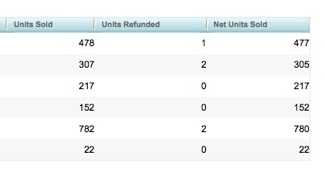
Between June 25th and June 30th, the final tallies for sales were as follows:

29 sales for CURSED

5 sales for HOWL: A Short Story,

1 sale for I Was A Brooding Teenage Vampire

4 sales for THE LITTLE PEACH KING

325 sales for THE MEMORY KEEPER

409 sales for THE WHITE KNIGHT

And 32,826 free sales for THE POCKET WATCH.

I couldn’t believe it. On my blog posting about my charity venture, I’d stated that I’d be very happy with being able to raise a modest $1,000 to donate to the two charities I’d been wanting to contribute to: Breast Cancer (The American Cancer Society) and Save The Children, dividing and donating $500 to each. By the end of June, I’d already surpassed that goal by raising over $1,500 in the sales of the sequels.

I can’t stress just how grateful I am to have been so lucky, and how great it feels to know that between July 1st and July 4th I’ve sold 356 combined copies of the sequels, adding another $726 to the money already raised in June. I can’t wait to see what the final donation is going to be, and that’s astoundingly humbling.

Do you think things have changed a lot since you got started? Is it harder for new authors to get noticed with all the competition out there, or are there a proportionate number of new ebook readers available to buy people’s books?

That’s a tough question because I can only answer from the point of view of my time spent on the Kindle Boards; I haven’t been to any other forums, and I’m afraid to go to the Amazon forums since it has a reputation of being particularly vicious to indies. From what I’ve seen in the Kindle Boards since I joined in April of 2010 is that not too long ago there was an explosion of new members, so I think that it is getting tougher for not just the new faces but for all of us to be seen by readers. With so many millions of books available on the kindle, the odds of crawling out of the barrel aren’t high enough to make an indie very hopeful, at least I wasn’t. I’m still not entirely convinced that I will, I feel like this freebie boost is a temporary fit of luck and I’ll fall right back to where I was before 😛

Okay, tell us about your books! It looks like you have a couple of series out. What do you enjoy working on most, and what sells best for you?

I enjoy paranormal and fantasy the most, though my problem is sticking to one story long enough to finish it. I have dozens of books with only a few chapters written and then left in the dust because I was inspired to write something new. As for the stories that I was lucky enough to stay focused on long enough to finish, there’s THE TRINITY SAGA of course, The Pocket Watch/Book 1, The White Knight/Book 2, and The Memory Keeper/Book 3 and my FAVORITE one. Then there are my middle grade adventure books THE LITTLE PEACH KING, and CURSED, both about magic and mayhem. I think those were the easiest to write because they only took a few days from beginning to end due to their short length (both at 30,000 words) and they were all about fun. Then there’s HOWL, a short horror story about a girl pitted against surviving a disease in West Africa (10,000 words) and then there’s I WAS A BROODING TEENAGE VAMPIRE, which I’d just published at the end of June and sold an impressive 2 copies! It’s a comedy parody of the teenage vampire love saga genre, and I think it’s hilarious, of course, but my opinion is the only one I can give, especially as no one else (save two people) have read it lol.

And now the decision to list a freebie on Amazon. How did you go about doing that, and what kind of difference has it made?

Well the difference has been immediate and immaculate: I actually have a readership now! And reviews are popping up. For one whole day I was on the front page, very top, and dead center of Kindle Nation Daily: I’d never even dreamed of an honor that high, at least not realistically. I’d like to see more reviews for the third book in the Trinity Saga, The Memory Keeper, since that’s my absolute favorite one and I want to know what others think, but I’m happy as long as it sells and people read it.

Thanks for your time. Do you want to finish up telling us about future projects and plans?

I’m currently writing the fourth and final book in The Trinity Saga, The Navilus, and simultaneously working on the first in a spin-off trilogy that takes place about twenty years or so after the end of the Trinity Saga. The world is in a crazy state of being after the final events of The Navilus so I thought it’s be wild to explore the new society with a bit of depth. I’m also writing a paranormal romance when I need a change of pace from the other two projects that revolves around a new kind of demon that I think is a nifty read, but the main heroine isn’t exactly ‘likeable’, she kind of an overgrown brat, so I’m not expecting much success there either lol.

Thank you so much for your time and letting little old me be a guest on your impressive site!

Posted in Interviews / Success Stories | Tagged , , , | 9 Comments

5 Tips for Bringing More Readers to Your Blog

Boost Your Blog ReadershipI stumbled into the #fantasychat on Twitter the other day, and the topic was “How to get more readers to your blog.”

Whether you’re an author, hoping to attract folks who might buy your books, or you’re just trying to get more people to read your posts, it’s satisfying to see one’s traffic increase from month to month. It’s nice, too, when people leave comments and you get to have conversations with someone other than yourself. (Not that self-conversing isn’t fun, but, ya know.)

Since it’s hard to impart much wisdom in 140 characters or less on Twitter, I figured a blog post was in order. So, without further rambling, I give you…

5 Tips for Bringing More Readers to Your Blog

Apply basic search engine optimization to your posts

You don’t have to become an SEO expert, but using keywords in the title and building links to your site can go a long ways in increasing the number of visitors you receive from Yahoo, Google, etc.

Thanks to Twitter, I see quite a few blog post titles, and many of them are useless insofar as attracting search engine visitors (honestly, they’re pretty useless for attracting clicks via Twitter too). This is because they don’t tell me what the post is about. “Coming soon…” or “Some Interesting Updates” doesn’t inspire me to click unless I know you already (maybe not even then!).

If you do nothing else, help yourself by making sure your post titles make it clear what the entries are about.

Don’t just write about yourself and your books

This one is for my author buddies. If you want to increase your blog readership, posting excerpts and reviews of your books probably isn’t going to do it. Likewise, posts about your life aren’t going to interest many folks unless you have a Dave-Barry-esque knack for making the mundane entertaining. Sure, when you’re a celebrity, you can blog about yourself and nothing but yourself and people will read about it, but we have to get to celebrity status first. How? By writing about things people find informative and/or entertaining.

If you’re an indie science fiction author, for example, you might review popular books in the genre or blog about the latest SF movies or television series. Think about what your target audience might be out there Googling and consider writing some posts that would answer those queries.

(I’m not a good example of this, by the way; I’m more interested in writing about e-publishing and book promotion than my chosen novel genre. W. Brondt Kamffer is an indie fantasy author who does a nice job blogging for his target audience.)

**I don’t want to give you the idea that you should never write about yourself or your books (sometimes when it’s all interviews and reviews your voice gets lost and it feels like we could be reading newspaper articles where it doesn’t matter who the journalist is), just that it’s wise to find a balance. A little personal information here and a little interesting-to-your-target-audience-stuff there.

Leave comments on other people’s blogs

I’m not as good at doing this as some folks are — it’s a time consuming promotion method, and I find myself short of time lately! — but this can be a good way to bring in new visitors, especially when you’re just starting out and don’t get much search engine traffic yet.

If you leave useful comments on blogs where your target audience hangs out, people might be interested enough to click on your name and follow it to your site. The owner of the blog, too, might reciprocate and come comment on your site (this is most likely when you’re visiting other new-ish blogs — understandably, bloggers who get 25-50+ comments per post are less likely to have time for this).

Sneaky tip:

If you can be an early commenter on a new post on a popular blog, your words will be seen by a lot of people and you’ll be more likely to get visitors. I had that happen on a JA Konrath post once (he often gets 100+ comments). I only check his blog a couple of times a month, so it was just chance that I got a comment in early, but I included a link to my site at the bottom and quite a few people surfed over to check out my blog (note: not all bloggers will approve comments with self-promotional links in them, so see what the trend is before assuming you can do this).

Use Twitter, Facebook, etc. to bring visitors to your blog

I don’t think the social media sites are particularly good for selling books, so you won’t often see me tweet sales links (if anything, I’ll usually send folks to an excerpt on my site or to Smashwords to download a freebie). I do, however, announce my new blog posts on Twitter, and this brings quite a bit of traffic, especially when something catches a few eyes and gets “retweeted.”

I’m not big into Facebook, but I do have a few blog followers via their “Networked Blogs” feature, so you may want to look into signing up for that (among other things, it automatically announces your blog posts on your Facebook page).

As you might guess, you’ll get more mileage out of the social media sites if you’re active on there and work to get some followers. Unless you have lots of free time, consider focusing on one to build up network rather than trying to spread yourself (possibly ineffectually) across them all.

Try to turn one-off visitors into regulars

Okay, last tip. While it’s great to drive lots of new visitors to your site, it’s even better to convert those one-time visitors into regular readers.

One way is to encourage folks to sign up for your RSS feed. (This is on my to-do list as my current link is not prominently displayed.) If visitors track a lot of blogs, they probably use Google Reader or another service to check all the new headlines at once. If they add yours, it’ll be easy for them to see when you’ve posted something interesting.

Another good thing to add, especially if you’re an author and you’re hoping to get readers to buy your books, is a newsletter. This lets you send notes straight to people’s inbox where they’re much more likely to notice you than if your blog is 1 of 200 hanging out in their feed reader. You can give people the option of signing up to receive each of your new blog posts in their inbox, or you can have them sign up for a mailing list where you can send them personalized messages now and then.

All right, those are my five tips. Do you have any you’d like to suggest?

Posted in Blogging | Tagged , , | 20 Comments

Should Authors Comment on Reviews of Their Books?

A couple of weeks ago, we wondered, “Should Authors Be Amazon Reviewers?” and that spurred some interesting discussion in the comments section.

Another question authors may be curious about is whether or not they should respond to reviews of their books. Amazon lets you comment on any review, and, if someone reviews your book on a blog, you can usually comment there as well.

But…should you?

I hope it’s a foregone conclusion that we shouldn’t argue with reviewers, but what about a “Thank you for posting a review” or “Thank you for your feedback”? Or should you say something specific about the reader’s words?

Personally, I tend not to comment on reviews unless the author sends me the link via Twitter, and usually I just thank the person for reviewing the book. My reasoning is that reviews aren’t really for me — they’re for readers — and I’m leery about butting my head into their area and possibly hindering the discussion. Or getting into a situation where I feel defensive and start justifying my choices. That just never goes well for the author.

I’ve seen cases where authors who are usually cordial with their thank yous become stiff and huffy when commenting on a negative review, especially if they perceived the book was judged unfairly (such as if the reviewer only read the sample chapters — how on earth could you review a book when you didn’t read the whole thing, they cry).

When feelings are hurt, it’s easy to write something you’ll regret later, and, if it’s a comment on someone else’s blog, there’s no taking it back. On Amazon, you can delete your comment, but the fact that you commented in the first place remains there, and people might be able to piece things together from the comments around it.

While I like the idea of thanking readers and letting them know it’s great that they took the time to leave reviews, I don’t think it’s something I’ll do often in a public venue. I figure you’ll never get into trouble by saying nothing, but you might get into trouble one day if you have a policy of saying something.

That’s just my opinion, though, and you’ll find different authors with different stances on this.

What are your thoughts? If you’re an author, do you comment on reviews? If you’re a reader, do you want authors to comment on your reviews?

Posted in Book Marketing | Tagged , , | 19 Comments